

I Can Do Serious Too!
"The Economics of Tarriff in 241 Words."

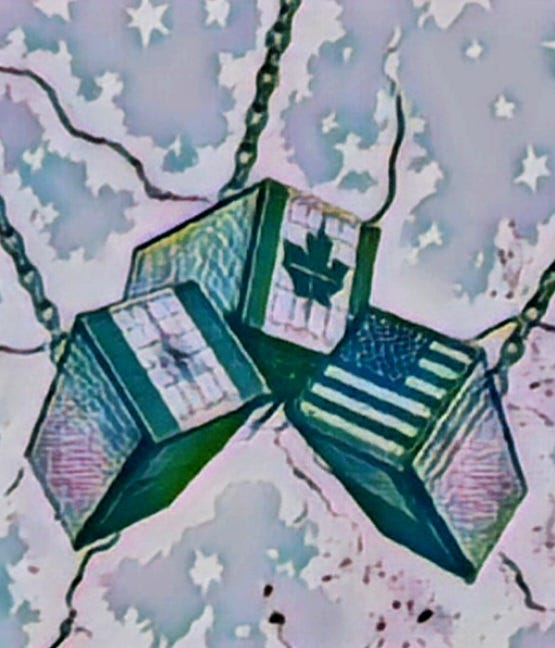
A tariff is a tax on imported goods, making them more expensive. When businesses pay these tariffs, they often pass the cost to consumers, leading to higher prices. If people’s incomes don’t rise at the same time, they have less money to spend on other things, like eating out, buying clothes, or going to the movies.
When people cut back on spending, businesses that rely on customers start earning less. To save money, they may stop hiring new workers, lay off employees, or cancel expansion plans. Factories and stores might delay investing in new equipment or locations because there’s less demand. This slowdown in business growth leads to fewer job opportunities.
At the same time, the cost of goods keeps rising because of the tariffs. This situation is called a supply shock: when prices go up due to higher costs, not because of increased demand. If this continues, it can lead to stagflation, where the economy slows down, but inflation (rising prices) continues.
Normally, a growing economy causes prices to rise, but stagflation is a tough situation where things get more expensive while jobs become scarcer, making it difficult for both businesses and consumers to recover.
Final Thought:
In simple terms, tariffs can lead to a chain reaction:
Prices go up.
People have less money to spend.
Businesses struggle and hire fewer workers.
The economy slows down.
But prices keep rising (stagflation), making it harder to fix the problem
"Tariff gives the FED a full-blown meltdown."